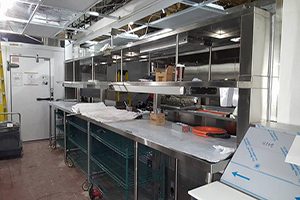
Running a restaurant is a constant balance between delivering quality and controlling expenses. One of the most overlooked ways to reduce long-term costs is partnering with a professional commercial kitchen installer. From equipment placement to energy efficiency, expert installation directly impacts your bottom line, operational flow, and compliance with industry standards.
The Role of a Commercial Kitchen Installer in Cost Reduction
A skilled commercial kitchen installer does far more than simply place equipment. They strategically design and implement systems that improve efficiency, minimize downtime, and extend the lifespan of your investment.
Improper installation often leads to:
- Frequent equipment breakdowns
- Higher energy consumption
- Workflow inefficiencies that slow service
- Code violations and costly fines
By contrast, professional installation ensures your kitchen is optimized from day one.
Optimized Kitchen Layout Improves Workflow Efficiency
A well-designed kitchen layout reduces unnecessary movement and improves staff productivity. A professional installer evaluates your menu, service style, and space constraints to create a layout that minimizes wasted motion.
Why Layout Matters
When equipment is placed strategically, your team can move seamlessly between stations. This reduces labor costs over time by improving service speed and reducing fatigue.
For example, placing refrigeration units close to prep stations or cooking lines eliminates unnecessary steps, helping your staff operate more efficiently during peak hours.
Learn more about layout planning through The PKI Group and how proper design impacts operations.
Energy Efficiency Starts with Proper Installation
Energy costs are one of the largest recurring expenses for restaurants. A professional commercial kitchen installer ensures that all equipment operates at peak efficiency.
Key Energy-Saving Benefits
Proper installation includes:
- Correct ventilation and airflow for HVAC systems
- Accurate electrical load distribution to prevent energy waste
- Proper sealing and insulation for refrigeration equipment
- Optimized placement to reduce heat overlap between appliances
These factors collectively reduce utility bills while maintaining consistent performance.
Preventing Costly Equipment Failures
Improper installation is one of the leading causes of early equipment failure. When appliances are not installed according to manufacturer specifications, they experience unnecessary strain.
A professional installer ensures:
Compliance with Manufacturer Standards
Correct hookups, leveling, and calibration extend the lifespan of your equipment and protect warranties.
Reduced Maintenance Costs
With fewer breakdowns, you save significantly on repairs and avoid unexpected downtime that can disrupt service and revenue.
For ongoing support, explore commercial kitchen services that keep your systems running efficiently.
Code Compliance and Avoiding Fines
Health and safety regulations are strict in the food service industry. A professional commercial kitchen installer ensures your kitchen meets all local and national codes.
Key Compliance Areas
This includes proper:
– Gas line installation
– Fire suppression systems
– Ventilation and hood systems
– Electrical safety standards
Failure to comply can result in fines, shutdowns, or costly rework. Professional installation eliminates these risks from the start.
Improved Space Utilization
Maximizing kitchen space is critical, especially in high-rent areas. Professional installers understand how to optimize every square foot without compromising functionality.
They can integrate:
– Multi-functional equipment
– Compact layouts for tight spaces
– Custom configurations tailored to your operations
Efficient space usage reduces the need for expansions or costly renovations later.
Faster Installation Means Faster Revenue
Time is money in the restaurant industry. Delays in installation can push back your opening date or disrupt operations during upgrades.
A professional commercial kitchen installer ensures:
Streamlined Project Timelines
Experienced teams coordinate logistics, deliveries, and installations efficiently, reducing downtime and helping you start generating revenue sooner.
You can review project examples and timelines through recent installations to understand the impact of professional execution.
Long-Term ROI Through Strategic Planning
The upfront cost of hiring a professional installer is quickly offset by long-term savings.
Where You Save Over Time
– Lower energy bills
– Reduced maintenance and repair costs
– Increased equipment lifespan
– Improved staff productivity
– Fewer compliance-related expenses
These cumulative savings make professional installation a strategic investment rather than an expense.
Why Restaurants Choose The PKI Group
Choosing the right commercial kitchen installer is essential to achieving these benefits. The PKI Group brings industry expertise, precision, and a deep understanding of commercial kitchen operations.
Their team focuses on:
– Customized installation solutions
– Compliance with all safety and health regulations
– Efficient project management
– Long-term operational optimization
To get started, visit The PKI Group contact page and connect with experts who understand your business.
Conclusion: Invest in Expertise to Reduce Costs
Hiring a professional commercial kitchen installer is one of the smartest decisions a restaurant owner can make. From improving workflow and reducing energy consumption to preventing costly repairs and ensuring compliance, expert installation delivers measurable cost savings.
Restaurants that prioritize proper installation position themselves for long-term success, smoother operations, and higher profitability.
Frequently Asked Questions
What does a commercial kitchen installer typically do?
A commercial kitchen installer designs, installs, and configures kitchen equipment to ensure optimal performance, safety compliance, and efficient workflow in food service environments.
How can a commercial kitchen installer help lower costs?
They reduce costs by improving energy efficiency, preventing equipment failures, optimizing layout for labor savings, and ensuring compliance to avoid fines.
Is hiring a professional installer worth the investment?
Yes, professional installation minimizes long-term expenses such as repairs, energy waste, and downtime, making it a cost-effective investment over time.
How long does a commercial kitchen installation take?
The timeline varies depending on the project size, but professional installers streamline the process to minimize delays and help businesses open or resume operations quickly.