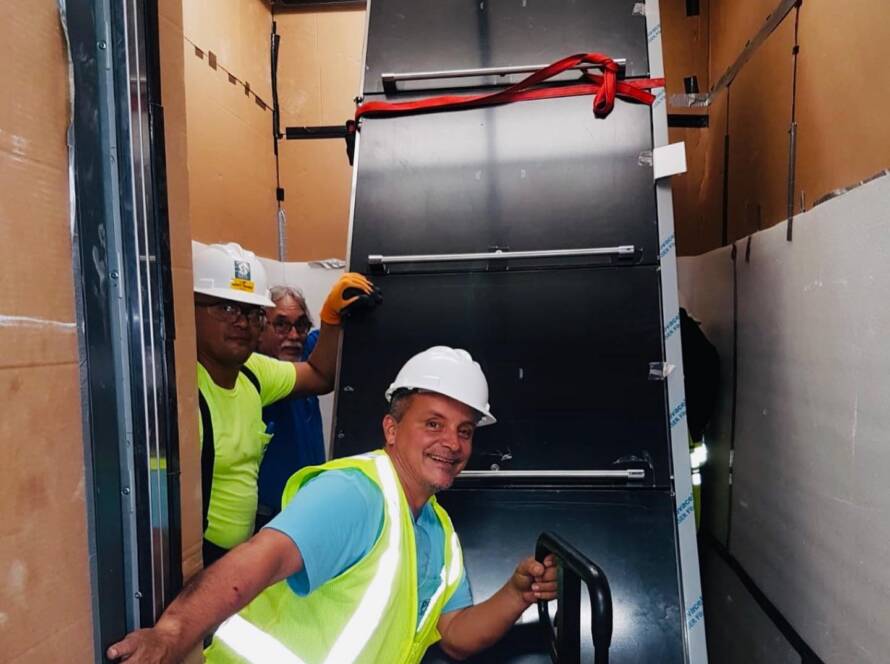
Choosing the right commercial kitchen installer is one of the most critical decisions for any restaurant, hospitality business, or food service operation. A poorly executed installation can lead to compliance issues, workflow inefficiencies, and costly downtime. This guide provides a structured, SEO-optimized checklist to help you evaluate and hire a qualified partner who can deliver a fully functional, code-compliant commercial kitchen.
Why Hiring the Right Commercial Kitchen Installer Matters
A professional commercial kitchen installer does more than place equipment—they ensure that every component aligns with safety codes, operational efficiency, and long-term durability. From ventilation systems to electrical layouts, every detail must meet strict industry standards.
Working with an experienced partner helps you:
- Ensure compliance with local health and fire regulations
- Optimize kitchen workflow for staff productivity
- Reduce long-term repair and maintenance costs
- Avoid costly project delays and rework
Core Qualifications to Look For
Licensing and Certifications
Always verify that your commercial kitchen installer holds proper licensing and certifications. This ensures they are legally authorized and technically qualified to perform installations involving gas lines, electrical systems, and ventilation.
Experience with Commercial Projects
Not all contractors understand the complexity of commercial kitchens. Look for a partner with a proven portfolio of installations in restaurants, hotels, or institutional kitchens. Reviewing past projects or visiting their completed installations portfolio can give you valuable insight into their capabilities.
Knowledge of Compliance Standards
Your installer must be familiar with local building codes, NSF standards, and fire safety regulations. Improper compliance can delay your opening or lead to fines. Ask how they handle inspections and approvals during the project lifecycle.
Project Planning and Design Capabilities
Custom Layout and Workflow Design
A strong commercial kitchen installer should provide layout planning that maximizes efficiency. This includes proper placement of prep stations, cooking equipment, and storage areas to minimize movement and increase productivity.
Integration with Equipment Suppliers
The installer should coordinate with equipment vendors to ensure seamless installation. Many businesses benefit from working with partners who offer end-to-end kitchen solutions, including sourcing and installing equipment.
Detailed Project Timeline
A professional installer will provide a clear timeline outlining each phase of the project. This helps you plan your business opening and avoid unnecessary delays.
Technical Capabilities and Services
Electrical and Plumbing Expertise
Commercial kitchens require specialized electrical and plumbing systems. Your installer should be capable of handling high-capacity wiring, gas connections, and water systems without outsourcing critical components.
Ventilation and Hood Installation
Proper ventilation is essential for safety and compliance. Ensure your installer has experience with hood systems, exhaust fans, and grease management solutions.
Equipment Installation and Calibration
Beyond placement, equipment must be calibrated for optimal performance. A qualified commercial kitchen installer ensures all units operate efficiently from day one.
Questions to Ask Before Hiring
What Is Included in Your Scope of Work?
Clarify whether the installer handles design, procurement, installation, and post-installation support. A full-service provider reduces the need to coordinate multiple vendors.
Do You Offer Ongoing Maintenance?
Maintenance is critical for keeping your kitchen operational. Ask if they provide service plans or support after installation. You can explore options through their maintenance and repair services.
Can You Provide References?
Reputable installers should be able to provide references or case studies. This helps validate their experience and reliability.
Red Flags to Avoid
Lack of Transparency
If an installer cannot clearly explain their process, timeline, or pricing, it may indicate poor project management practices.
No Written Contract
Always insist on a detailed contract outlining scope, costs, and deadlines. Verbal agreements leave too much room for miscommunication.
Limited Industry Experience
General contractors without commercial kitchen experience may overlook critical requirements, leading to costly mistakes.
Final Checklist Before You Decide
Before selecting your commercial kitchen installer, confirm the following:
- Verified licenses, certifications, and insurance coverage
- Proven experience with commercial kitchen installations
- Clear project timeline and detailed scope of work
- Strong understanding of compliance and safety standards
Partner with Experts for Long-Term Success
Choosing the right commercial kitchen installer is not just about completing a project—it’s about setting your business up for long-term operational success. From design to installation and maintenance, every phase requires precision, expertise, and industry knowledge.
For businesses seeking a trusted partner, The PKI Group delivers comprehensive commercial kitchen solutions. With a strong track record in installation, maintenance, and project management, they ensure your kitchen is built for performance, compliance, and durability. Whether you’re launching a new restaurant or upgrading an existing facility, The PKI Group provides the expertise needed to get the job done right.
Frequently Asked Questions
What does a commercial kitchen installer typically handle?
A commercial kitchen installer manages the setup of equipment, ventilation systems, electrical and plumbing connections, and ensures everything complies with local regulations and safety standards.
How long does a commercial kitchen installation take?
The timeline varies depending on the size and complexity of the project, but most installations can take anywhere from a few weeks to several months, including inspections and approvals.
How do I know if a kitchen installer is qualified?
Look for proper licensing, industry certifications, relevant project experience, and positive client references to confirm their qualifications.
What should be included in a commercial kitchen installation quote?
A detailed quote should include equipment costs, labor, permits, timeline, compliance considerations, and any additional services such as maintenance or repairs.