Running a successful food service operation depends on more than recipes and customer service. The design and installation of a commercial kitchen directly affect food safety, workflow efficiency, employee safety, and health inspection compliance. Choosing an experienced commercial kitchen installer helps restaurants, hotels, cafeterias, and institutional kitchens avoid costly violations while creating a functional and code-compliant workspace.
Improper equipment placement, poor ventilation, insufficient clearances, or incorrect utility connections can quickly create health code issues that delay openings or trigger failed inspections. A professional installation strategy ensures every component works together while meeting local, state, and federal regulations.
Why Commercial Kitchen Installation Matters for Compliance
A properly installed kitchen supports sanitation, fire safety, operational efficiency, and equipment longevity. Health inspectors evaluate commercial kitchens based on strict standards involving cleanliness, food handling safety, ventilation, drainage, and accessibility.
An experienced commercial kitchen installer understands how to coordinate multiple systems including electrical, gas, refrigeration, plumbing, ventilation, and cooking equipment while maintaining compliance throughout the project.
Businesses that invest in professional installation often experience:
- Fewer inspection delays and violations
- Improved kitchen workflow and productivity
- Reduced equipment downtime and repair costs
- Safer working conditions for kitchen staff
- Better long-term operational efficiency
Professional installation also helps commercial kitchens comply with regulations established by local health departments, fire marshals, OSHA standards, and food safety guidelines.
Proper Kitchen Layout Planning Improves Safety and Efficiency
One of the most important best practices in commercial kitchen installation is strategic kitchen layout planning. Poor layouts can create contamination risks, traffic congestion, and inefficient food preparation workflows.
A qualified installer evaluates:
Food Preparation Flow
Food should move through the kitchen in a logical sequence from receiving and storage to preparation, cooking, plating, and cleaning. This minimizes cross-contamination risks and improves productivity.
Employee Traffic Patterns
Safe walkways and adequate spacing between equipment reduce accidents and improve staff movement during busy service hours.
Equipment Accessibility
Commercial kitchen equipment must remain accessible for cleaning, servicing, and inspection purposes. Tight spacing often creates sanitation problems that can lead to health code violations.
Separation of Clean and Dirty Areas
Dishwashing stations, garbage disposal areas, and food prep zones should remain properly separated to support sanitation standards.
Businesses planning a new installation or renovation often benefit from working with specialists experienced in commercial kitchen installation services that focus on operational functionality and compliance.
Ventilation and Exhaust System Compliance
Ventilation systems play a major role in commercial kitchen safety. Cooking equipment generates heat, grease, smoke, and airborne contaminants that must be properly managed.
A professional commercial kitchen installer ensures ventilation systems meet local mechanical codes and fire suppression requirements.
Proper Hood Installation
Commercial exhaust hoods must provide adequate airflow based on the type of cooking equipment being used. Incorrect hood sizing can create dangerous working conditions and inspection failures.
Grease Management Systems
Grease buildup inside ducts and ventilation systems creates fire hazards. Proper installation includes accessible grease filters and maintenance access points.
Fire Suppression Integration
Commercial kitchens often require automatic fire suppression systems integrated directly into exhaust hoods and cooking lines.
Air Balance and Indoor Comfort
Balanced airflow prevents excessive kitchen heat while maintaining indoor air quality for staff and customers.
Many businesses also incorporate ongoing commercial kitchen equipment maintenance to ensure ventilation systems continue operating safely after installation.
Health Code Requirements for Commercial Kitchen Equipment
Health departments closely inspect commercial kitchen equipment installations. Equipment must meet sanitation standards and allow proper cleaning access.
Key installation considerations include:
NSF-Certified Equipment
Most jurisdictions require food service equipment certified for commercial use. NSF-certified equipment supports sanitation compliance and food safety standards.
Correct Equipment Spacing
Equipment installed too closely together may trap grease, debris, and moisture, creating sanitation concerns.
Proper Plumbing Connections
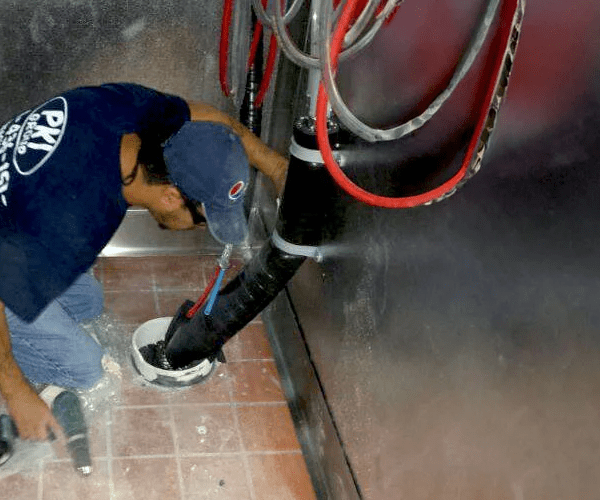
Commercial sinks, grease traps, and drainage systems must comply with plumbing codes to prevent contamination and backups.
Temperature Compliance
Refrigeration and hot holding equipment must maintain safe food storage temperatures consistently.
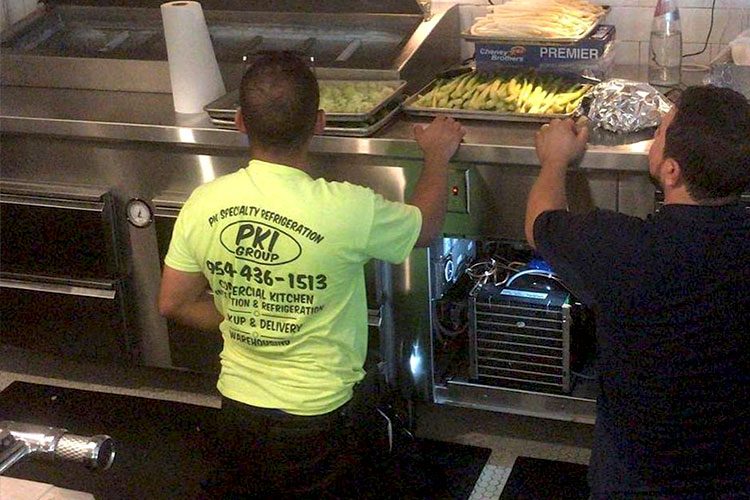
Professional installation teams often coordinate with contractors and inspectors throughout projects involving commercial kitchen equipment installation to avoid delays and compliance issues.
Electrical and Gas Safety Best Practices
Commercial kitchens rely heavily on high-capacity electrical and gas systems. Improper installation can create severe fire and safety risks.
A skilled commercial kitchen installer follows strict electrical and gas installation protocols to protect the facility and its staff.
Dedicated Power Circuits
High-powered kitchen appliances require properly rated circuits to prevent overloads and electrical failures.
Emergency Shutoff Accessibility
Gas and electrical shutoffs should remain easily accessible during emergencies.
Code-Compliant Wiring
Commercial-grade wiring and conduit protection help reduce fire risks and maintain system reliability.
Safe Utility Connections
Professional installers verify all gas lines, pressure regulators, and appliance connections before equipment activation.
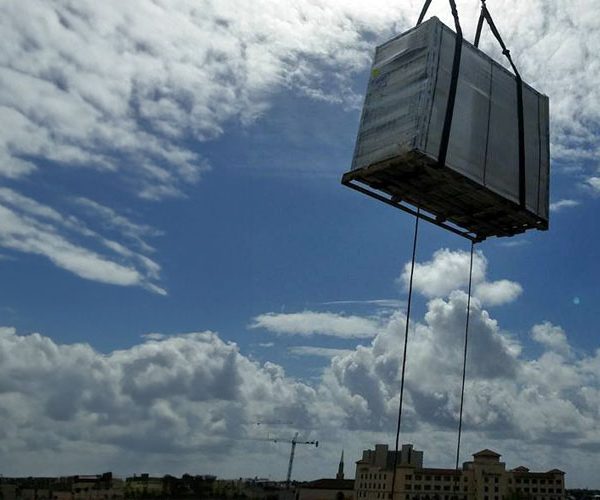
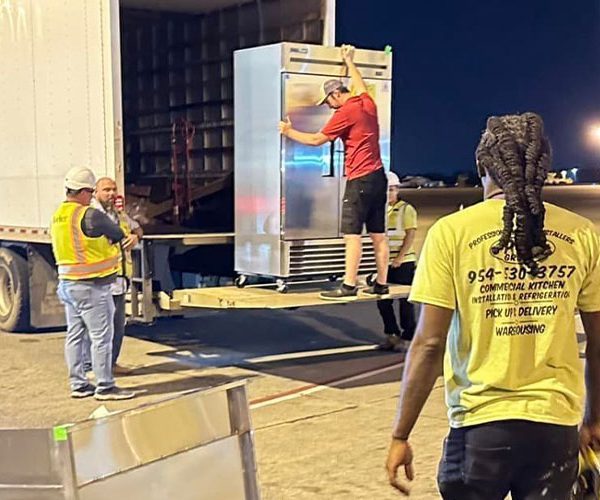
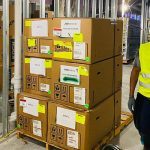
Facilities upgrading older kitchens often combine installation services with commercial kitchen transportation and logistics services to safely relocate and install sensitive equipment.
Flooring and Sanitation Considerations
Commercial kitchen flooring impacts both sanitation and employee safety. Floors must withstand moisture, grease, cleaning chemicals, and constant foot traffic.
Important flooring considerations include:
- Slip-resistant surfaces to reduce workplace injuries
- Proper floor drainage for sanitation and cleaning efficiency
- Durable materials resistant to grease and chemicals
- Coved floor transitions that eliminate dirt-trapping corners
- Easy-to-clean surfaces that support health inspections
Proper drainage and flooring installation reduce standing water, bacterial growth, and sanitation violations.
Importance of Inspection Readiness During Installation
Health inspections should never be treated as an afterthought. Successful kitchen installations are designed with inspection readiness in mind from the beginning.
Experienced installers coordinate with:
Health Departments
Health inspectors review sanitation standards, equipment placement, food safety systems, and cleaning accessibility.
Fire Marshals
Fire inspections verify suppression systems, ventilation, gas connections, and emergency access compliance.
Building Officials
Construction permits, occupancy requirements, and utility inspections must often be completed before operations begin.
Preparing documentation, equipment specifications, and installation records ahead of time helps streamline final approvals.
Choosing the Right Commercial Kitchen Installer
Not all contractors understand the specialized demands of commercial kitchens. Restaurants and food service businesses should choose installation teams with direct industry experience.
When selecting a commercial kitchen installer, businesses should evaluate:
Industry Experience
Installers familiar with restaurants, hotels, hospitals, schools, and institutional kitchens better understand compliance challenges.
Project Coordination Capabilities
Commercial kitchen projects require coordination between plumbers, electricians, HVAC professionals, inspectors, and equipment suppliers.
Code Knowledge
Experienced installers stay current on local health codes, fire regulations, and safety standards.
Long-Term Support Services
Ongoing maintenance and equipment servicing help protect the investment after installation.
The PKI Group provides professional commercial kitchen installation services designed to support health code compliance, operational efficiency, and long-term performance. Their team works with restaurants, hospitality facilities, institutional kitchens, and commercial food service operations to deliver safe, efficient, and code-compliant kitchen environments. From transportation and installation to equipment setup and project coordination, The PKI Group helps businesses complete commercial kitchen projects with confidence and professionalism.
Frequently Asked Questions
What does a commercial kitchen installer do?
A commercial kitchen installer handles the setup, positioning, utility connections, and coordination of commercial food service equipment while ensuring compliance with health and safety regulations.
Why is ventilation important in commercial kitchens?
Proper ventilation removes grease, smoke, heat, and airborne contaminants while supporting fire safety and maintaining indoor air quality standards.
How can commercial kitchens pass health inspections more easily?
Professional installation, proper sanitation planning, code-compliant equipment spacing, and correct utility connections help kitchens meet inspection requirements.
What certifications should commercial kitchen equipment have?
Most commercial kitchens use NSF-certified equipment because it meets sanitation and food safety standards required by many local health departments.