Commercial kitchen projects require far more than simply placing appliances into a space. A successful installation depends on planning, engineering, permitting, equipment coordination, utility integration, and final inspections that ensure the kitchen meets safety and health regulations. Understanding the complete commercial kitchen installer timeline helps restaurant owners, hospitality groups, schools, healthcare facilities, and food service operators avoid delays and costly mistakes during construction.
Whether opening a new restaurant, remodeling an institutional kitchen, or upgrading foodservice equipment, working with an experienced commercial kitchen installer is one of the most important decisions in the process. Every phase must align correctly to keep the project on schedule and within budget.
Phase 1: Initial Planning and Commercial Kitchen Design
The first stage in the commercial kitchen installer timeline begins with planning and design. This phase establishes the kitchen workflow, equipment layout, ventilation systems, utility requirements, and compliance strategy.
An experienced installer evaluates:
- Menu requirements and production capacity
- Kitchen workflow efficiency
- Health department regulations
- Fire suppression and ventilation needs
- Electrical, plumbing, and gas utility demands
During this stage, project stakeholders often collaborate with architects, engineers, chefs, restaurant owners, and contractors to create a layout that maximizes efficiency while maintaining code compliance.
Proper kitchen design also reduces future operational issues such as bottlenecks, overheating, sanitation concerns, and inadequate storage.
For businesses planning a complete foodservice buildout, working with specialists in commercial kitchen installation services early in the project can significantly improve scheduling accuracy and equipment coordination.
Phase 2: Equipment Selection and Specification
Once the layout is approved, the next step in the commercial kitchen installer timeline involves selecting and specifying equipment.
This phase includes:
Cooking Equipment Selection
Commercial ranges, fryers, ovens, steamers, grills, and specialty cooking systems must match the kitchen’s production goals and utility capabilities.
Refrigeration and Storage Planning
Walk-in coolers, freezers, prep tables, and refrigeration systems are selected according to operational capacity and available square footage.
Ventilation and Hood Systems
Ventilation systems must comply with local fire and building regulations while supporting safe airflow and heat removal.
Utility Coordination
Commercial kitchen installers work closely with contractors to confirm electrical loads, gas connections, plumbing lines, drainage systems, and water supply requirements.
Selecting incorrect equipment can lead to installation delays, failed inspections, and expensive redesigns. This is why experienced installers review manufacturer specifications carefully before procurement begins.
Many projects also integrate solutions related to commercial kitchen maintenance planning to simplify long-term serviceability after installation is complete.
Phase 3: Permitting and Regulatory Approval
Permitting is one of the most critical parts of the commercial kitchen installer timeline. Commercial kitchens must meet strict building, fire, mechanical, electrical, plumbing, and health department regulations.
Permit requirements commonly include:
- Mechanical permits for hood and ventilation systems
- Plumbing permits for grease traps and sinks
- Electrical permits for commercial equipment
- Fire suppression approvals
- Health department review and approval
This stage often takes several weeks depending on local jurisdiction requirements and project complexity. Delays usually occur when documentation is incomplete or equipment specifications do not align with local codes.
Experienced commercial kitchen installers help reduce these issues by coordinating directly with inspectors, engineers, and permitting offices throughout the approval process.
Businesses upgrading foodservice facilities may also benefit from reviewing specialized solutions involving restaurant equipment installation to ensure all systems meet current operational standards.
Phase 4: Site Preparation and Utility Rough-Ins
After permits are approved, construction teams begin preparing the site for installation. This phase includes structural work, utility rough-ins, flooring, wall finishes, and ventilation preparation.
Commercial kitchen installers coordinate with general contractors to ensure:
Electrical Infrastructure Is Ready
Dedicated circuits, breaker panels, and proper voltage configurations must be completed before equipment arrives.
Gas and Plumbing Lines Are Installed
Cooking equipment, sinks, dishwashers, and grease management systems require correctly positioned utility connections.
Ventilation Systems Are Prepared
Hood systems, ductwork, exhaust fans, and make-up air systems must be installed according to engineered plans.
Flooring and Sanitation Standards Are Met
Commercial kitchens require slip-resistant, cleanable, and health-compliant flooring materials.
Any mistakes during this phase can create installation conflicts later in the project. Accurate measurements and utility placement are essential to maintaining the overall installation schedule.
Phase 5: Commercial Kitchen Equipment Installation
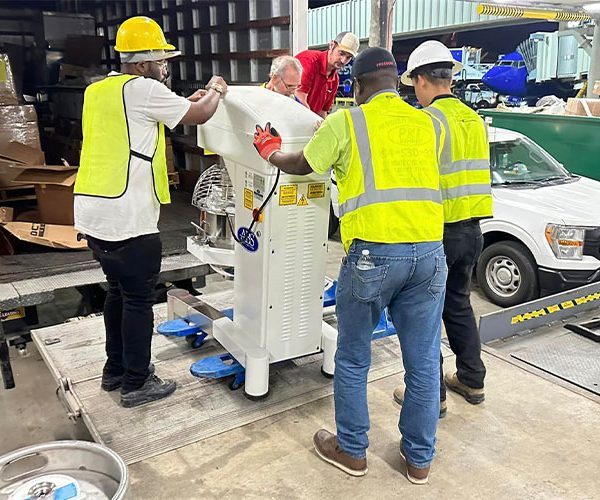
The actual installation phase is where the project begins taking shape physically. Commercial kitchen installers position, connect, level, and test all equipment systems according to manufacturer guidelines and code requirements.
This phase often includes:
Cooking Line Installation
Ovens, fryers, grills, broilers, steamers, and cooking suites are installed and connected to utilities.
Ventilation System Integration
Hoods, fire suppression systems, exhaust fans, and duct systems are finalized and tested.
Refrigeration Setup
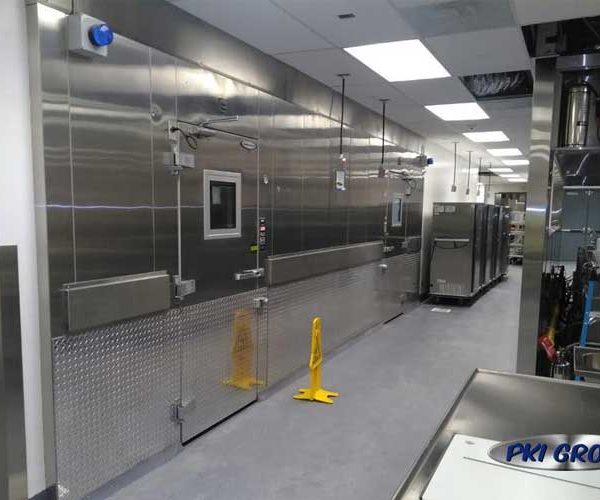
Walk-ins, coolers, freezers, and refrigerated prep systems are installed and calibrated.
Warewashing and Prep Areas
Dishwashers, prep sinks, handwashing stations, and sanitation systems are connected and tested.
Experienced installers verify proper spacing, accessibility, and operational efficiency during this process. Incorrect placement can impact kitchen workflow and violate health department clearance requirements.
Facilities requiring specialized foodservice solutions may also explore integrated foodservice equipment installation services for large-scale institutional kitchens and hospitality projects.
Phase 6: Testing, Calibration, and System Verification
Before final inspections occur, all kitchen systems must be tested thoroughly.
The commercial kitchen installer performs:
Equipment Calibration
Cooking temperatures, refrigeration systems, and controls are adjusted for operational accuracy.
Utility Testing
Gas pressure, water supply, drainage, and electrical systems are verified for safety and performance.
Ventilation and Fire Suppression Testing
Exhaust airflow and fire suppression activation systems are inspected to ensure compliance.
Operational Workflow Checks
Installers confirm that the kitchen layout supports safe movement and efficient production flow.
This stage helps identify issues before inspectors arrive, minimizing the risk of failed inspections or reopening delays.
Phase 7: Final Inspection and Project Completion
The final step in the commercial kitchen installer timeline is the official inspection process. Local inspectors evaluate whether the kitchen complies with all applicable regulations.
Final inspections often include:
Health Department Inspection
Inspectors review sanitation systems, food prep areas, sink placement, refrigeration, and cleanability standards.
Fire Marshal Approval
Fire suppression systems, hood systems, and emergency safety requirements are verified.
Building and Mechanical Inspection
Electrical, plumbing, gas, and ventilation systems are reviewed for code compliance.
Once approvals are complete, the kitchen can begin operations legally and safely.
A properly managed installation timeline helps businesses avoid costly reopening delays, failed inspections, and operational disruptions. Working with a qualified commercial kitchen installer ensures every phase of the project remains coordinated from concept to completion.
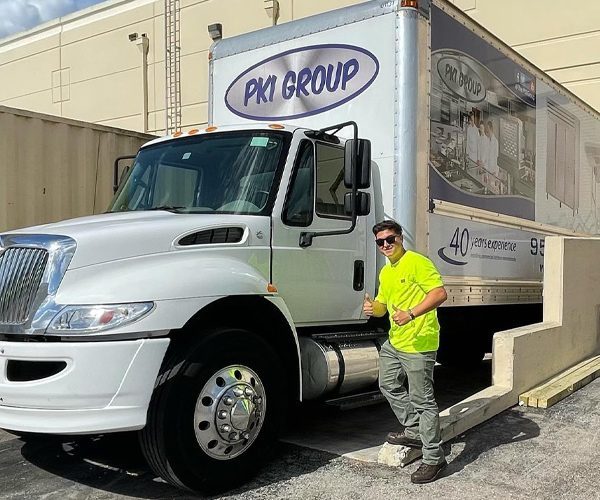
The PKI Group provides professional commercial kitchen installation services for restaurants, hospitality venues, healthcare facilities, schools, institutional kitchens, and foodservice operations. Their experienced team manages every stage of the process, including equipment coordination, utility integration, ventilation systems, code compliance, installation, and final inspection preparation. By delivering organized project management and industry expertise, The PKI Group helps businesses complete commercial kitchen projects efficiently and confidently.
Frequently Asked Questions
How long does a commercial kitchen installation usually take?
The timeline for a commercial kitchen installation depends on the project size, permitting requirements, equipment availability, and construction complexity. Smaller projects may take a few weeks, while larger institutional kitchens can require several months from design to final inspection.
What permits are required for a commercial kitchen installation?
Most projects require building, electrical, plumbing, mechanical, ventilation, and fire suppression permits. Health department approval is also typically required before the kitchen can begin operations.
Why is professional commercial kitchen installation important?
Professional installation helps ensure the kitchen meets local codes, operates efficiently, maintains safety standards, and passes inspections. Improper installation can lead to delays, equipment failures, or expensive corrections later.
What happens during a final commercial kitchen inspection?
Inspectors review ventilation systems, fire suppression equipment, plumbing, electrical work, refrigeration, sanitation areas, and overall compliance with health and safety regulations before approving the kitchen for operation.