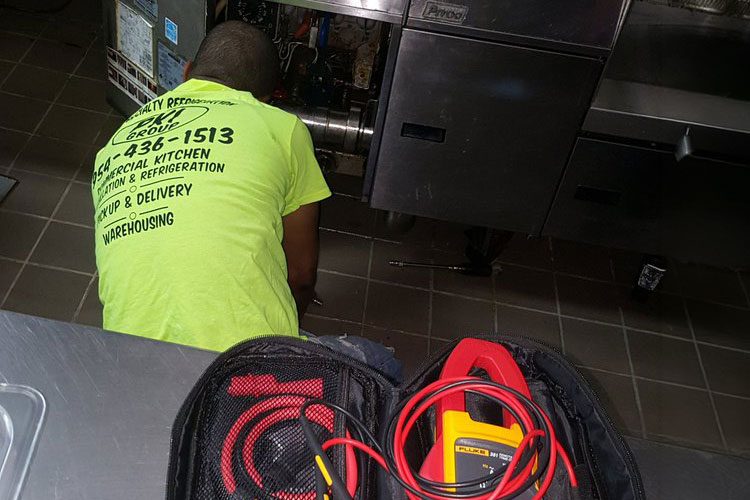
Running a commercial kitchen is expensive. Between equipment, utilities, staffing, and compliance requirements, operating margins can quickly shrink. One of the most effective ways to control expenses over time is by implementing strong Commercial Kitchen Maintenance Best Practices. Proactive care not only prevents unexpected breakdowns but also extends equipment lifespan, improves efficiency, and reduces costly emergency repairs.
Many foodservice operators focus on repairs only when something fails. However, this reactive approach leads to higher costs, operational downtime, and service disruptions. A structured maintenance strategy transforms maintenance from an expense into a long-term investment.
Why maintenance has a direct impact on long-term costs
Commercial kitchen equipment operates under intense conditions. Heat, grease, moisture, and constant use accelerate wear. Without regular maintenance, small issues—like clogged filters, loose connections, or minor leaks—turn into major failures.
Commercial Kitchen Maintenance Best Practices focus on identifying problems early. Fixing a worn gasket or cleaning a condenser coil is far less expensive than replacing an entire refrigeration unit or dealing with food loss due to equipment failure. In addition, well-maintained equipment uses less energy, which lowers utility bills month after month.
Preventive maintenance versus reactive repairs
Reactive repairs happen after something breaks. Preventive maintenance happens on a schedule, regardless of whether a problem is obvious. The difference in cost over time is significant.
Preventive care helps kitchens avoid:
- Unexpected equipment shutdowns during service hours
- Emergency repair premiums and rushed parts orders
- Revenue loss due to kitchen downtime
By contrast, reactive repairs often come with higher labor rates, urgent service calls, and potential customer dissatisfaction if operations are interrupted.
Key equipment areas that need routine attention
A strong maintenance plan addresses all major systems in a commercial kitchen. Certain categories require consistent monitoring because they directly affect performance, safety, and efficiency.
- Refrigeration systems and walk-ins
- Cooking equipment such as ovens, fryers, and ranges
- Ventilation and exhaust systems
Neglecting these areas can lead to overheating, inefficient operation, and premature equipment failure.
Energy efficiency and utility savings
One overlooked benefit of Commercial Kitchen Maintenance Best Practices is energy optimization. Dirty coils, blocked vents, and malfunctioning components force equipment to work harder. This increases energy consumption and raises monthly utility costs.
Routine cleaning, calibration, and part replacements help systems operate at peak efficiency. Over a year, even small energy improvements can result in substantial savings—especially for high-demand equipment like refrigeration units and cooking appliances.
Extending equipment lifespan
Commercial kitchen equipment represents a major capital investment. Replacing ovens, refrigeration systems, or exhaust components is costly. Maintenance extends the usable life of these assets.
Lubricating moving parts, replacing worn seals, and inspecting electrical components reduce strain on systems. Equipment that receives consistent care typically lasts years longer than neglected equipment, delaying expensive replacements.
Food safety and compliance considerations
Maintenance also supports compliance with health and safety regulations. Equipment that doesn’t hold proper temperatures or ventilation systems clogged with grease can create serious risks. Inspections often reveal maintenance issues that could have been addressed earlier.
Strong maintenance practices help ensure:
- Stable operating temperatures for safe food storage
- Proper airflow to prevent heat buildup and fire hazards
- Reliable performance during health inspections
Avoiding violations and shutdowns protects both revenue and reputation.
Creating a maintenance schedule that works
An effective maintenance plan includes daily, weekly, monthly, and quarterly tasks. Staff should handle basic cleaning and visual checks, while trained technicians manage technical inspections and repairs.
Documentation is equally important. Tracking service dates, part replacements, and inspection notes allows operators to spot patterns and anticipate future needs. Over time, this data-driven approach improves budgeting and reduces surprise expenses.
The financial return of proactive care
When operators calculate total equipment costs—including energy use, repairs, downtime, and replacements—the value of Commercial Kitchen Maintenance Best Practices becomes clear. Preventive maintenance reduces breakdown frequency, extends asset life, and keeps operations running smoothly. The cumulative financial benefit often outweighs the maintenance investment many times over.
Partnering with professionals for consistent results
While in-house staff can manage basic upkeep, professional service providers bring technical expertise and specialized tools. They can identify early warning signs that non-specialists might miss, ensuring problems are corrected before escalating.
The PKI Group specializes in comprehensive commercial kitchen services, including installation, repair, and structured maintenance programs. Their team supports foodservice operators by delivering reliable inspections, preventative service, and responsive technical support. By partnering with The PKI Group, businesses gain a proactive maintenance strategy that protects equipment investments and keeps kitchens operating efficiently. Call 954-530-3757
Frequently Asked Questions
How often should commercial kitchen equipment be serviced?
Most equipment benefits from quarterly professional inspections, with daily and weekly cleaning handled by staff.
Does preventive maintenance really save money?
Yes, early repairs and efficiency improvements reduce major breakdowns, emergency service costs, and energy waste.
What equipment is most expensive to neglect?
Refrigeration systems, cooking equipment, and ventilation systems typically lead to the highest repair and replacement costs when not maintained.
Can maintenance improve equipment performance?
Absolutely. Clean, calibrated, and well-maintained equipment operates more efficiently and consistently.