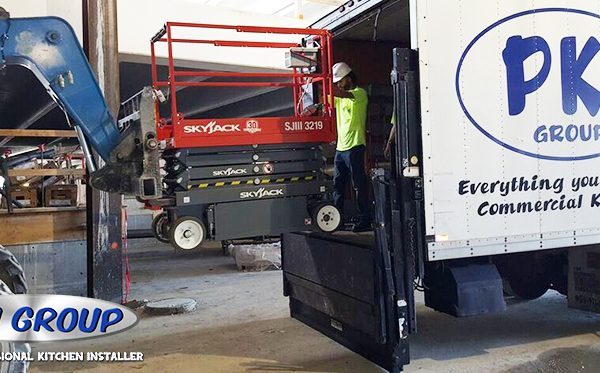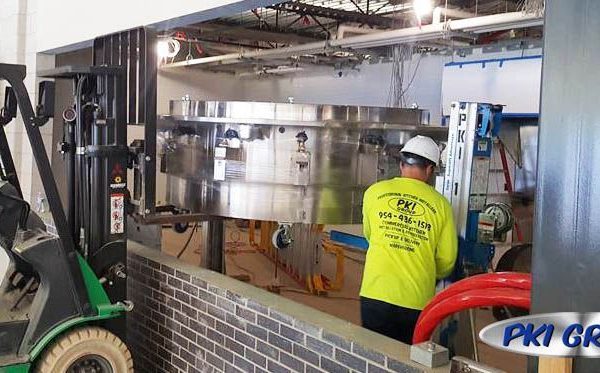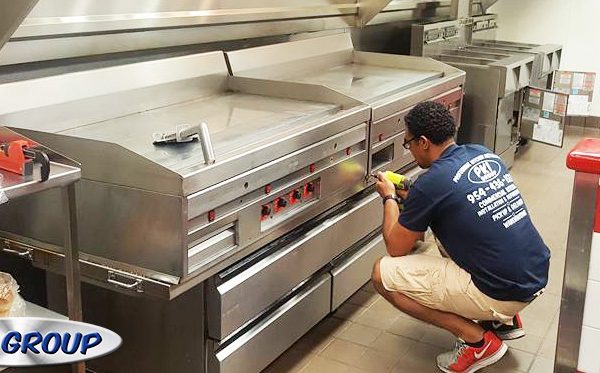
Running a successful commercial kitchen requires more than great recipes and strong management—it requires a safe, compliant, and expertly installed workspace. Whether it’s a hotel, restaurant, catering facility, food truck commissary, or industrial kitchen, the installation process must be executed with precision to prevent hazards, ensure efficiency, and meet strict regulatory standards. At The PKI Group, safety and compliance have been at the core of every project for over 40 years, ensuring that kitchens operate smoothly and meet all local, state, and national requirements.
In today’s foodservice environment, commercial kitchen safety and compliance are no longer optional; they are essential to protecting staff, customers, and business investments. This article breaks down the key elements of safe kitchen installation, common compliance challenges, and how partnering with experienced professionals ensures long-term operational success.
Why Safety Matters in Commercial Kitchen Installations
Commercial kitchens operate under intense conditions—heat, moisture, grease, electrical loads, and constant activity. One installation error can lead to equipment malfunctions, fire hazards, employee injuries, or costly shutdowns.
A safe installation ensures:
-
Proper ventilation and airflow
-
Stable equipment anchoring
-
Fire suppression compatibility
-
Electrical and gas line integrity
-
Hygienic, code-compliant design
-
Efficient workflow and reduced accidents
The PKI Group specializes in detailed planning and precise implementation, ensuring that every component is placed, installed, secured, and tested to meet the highest standards of safety.
Meeting Compliance Standards: What Every Business Must Know
Every commercial kitchen must comply with numerous health, safety, building, and fire codes. Failure to meet these standards can result in shutdowns, fines, and liability issues.
Key areas of commercial kitchen compliance include:
1. Health Department Regulations
Foodservice establishments must maintain cleanliness, proper sanitation, and food-safe equipment placement.
Examples include:
-
NSF-certified equipment
-
Proper hand sink accessibility
-
Stainless steel surfaces to reduce contamination
2. Fire Code Compliance
The high heat environment of commercial kitchens makes fire safety a top priority. Compliance includes:
-
Exhaust hood installation
-
Fire suppression integration
-
Grease duct requirements
-
Correct spacing from flammable materials
3. Electrical and Gas Code Requirements
Incorrect utility installation can cause major hazards. Compliance ensures:
-
Safe gas line connections
-
Proper electrical load distribution
-
Correct circuit installation for high-power equipment
The PKI Group’s technicians are trained to meet NFPA, OSHA, and local code standards, ensuring your kitchen is fully compliant before opening.
Ventilation: The Backbone of a Safe Commercial Kitchen
One of the most important—and most neglected—components of a safe commercial kitchen installation is proper ventilation.
A professional ventilation system:
-
Removes heat, smoke, and grease
-
Ensures clean airflow
-
Minimizes health risks
-
Reduces fire hazards
-
Increases equipment longevity
The PKI Group installs advanced hood systems, ductwork, and exhaust fans designed specifically for commercial environments, guaranteeing reliable ventilation performance.
Flooring, Layout, and Workflow Design
A compliant kitchen is not just about equipment—it’s about how the entire space functions. Proper layout improves safety, productivity, and regulatory adherence.
A well-designed commercial kitchen layout ensures:
-
Slip-resistant flooring
-
Clear pathways to reduce collisions
-
Proper placement of hot and cold zones
-
Logical equipment sequencing
-
Adequate storage and prep space
PKI’s installation experts evaluate your space, traffic flow, menu requirements, and staffing patterns to build a layout that minimizes risks and improves overall functionality.
Why Professional Installation Matters
Many business owners attempt to cut costs by using unlicensed or inexperienced installers—but this often leads to expensive mistakes, equipment failures, and failed inspections.
Hiring a professional installation company brings important benefits:
-
Code expertise – Professionals understand all regulations and compliance requirements.
-
Accurate equipment placement – Ensures maximum performance and safety.
-
Correct utility connections – Reduces risk of leaks, fires, and electrical issues.
-
Long-term reliability – Fewer repairs and downtime.
-
Faster inspection approval – Avoid delays before opening day.
With thousands of completed installations, The PKI Group has become a trusted partner for restaurants, franchises, hotels, and commercial kitchens worldwide.
Common Safety Risks in Poor Installations
When kitchen installations are rushed or improperly executed, businesses face:
-
Gas leaks
-
Electrical failures
-
Fire hazards
-
Insufficient ventilation
-
Equipment instability
-
Increased employee injuries
-
Failed inspections and delays
The PKI Group’s detailed installation process eliminates these risks and ensures every system is correctly installed, tested, and documented.
Partnering With The PKI Group for Safe, Compliant Installations
From design and delivery to installation and equipment testing, The PKI Group provides end-to-end support. Their certified technicians understand the complexities of commercial kitchen systems and stay updated on evolving compliance standards.
Businesses trust The PKI Group because they deliver:
-
Precision installation
-
Annual maintenance programs
-
24/7 support options
-
Skilled technicians trained in national and local codes
-
Safe, long-lasting solutions for all kitchen environments
A safe kitchen isn’t just a requirement—it’s a long-term investment in your team’s safety and your business’s success.
Frequently Asked Questions
1. Why is compliance important in commercial kitchen installation?
Compliance prevents safety hazards, protects employees, reduces liability, and ensures your business passes inspections without delays.
2. How do I know if my kitchen equipment meets code requirements?
A professional installer like The PKI Group evaluates your equipment, layout, utilities, and fire systems to ensure everything is approved and compliant.
3. What are the most common installation mistakes?
Improper ventilation, incorrect electrical or gas connections, and poorly placed equipment are the most frequent—and most dangerous—errors.
4. How often should commercial kitchen systems be inspected?
Annual inspections are recommended, but high-volume kitchens may require biannual evaluations to maintain safety and compliance.