In restaurants, grocery stores, catering operations, and foodservice facilities, refrigeration systems are among the most critical pieces of equipment in the entire operation. When coolers or freezers fail, the consequences can include product loss, health compliance issues, and unexpected downtime. That is why commercial refrigeration repairs and preventive maintenance should be a priority for every foodservice business that relies on temperature-controlled storage.
A well-maintained refrigeration system can operate efficiently for many years. However, neglecting routine inspections and maintenance often leads to costly emergency repairs or premature equipment replacement. Understanding how to care for commercial refrigeration systems helps business owners extend equipment life, protect inventory, and maintain smooth daily operations.
Why preventative maintenance is essential for refrigeration systems
Commercial refrigeration units operate continuously, often running 24 hours a day to keep food products within safe temperature ranges. This constant workload means components such as compressors, evaporators, and fans are under significant strain. Over time, dirt buildup, worn parts, or airflow restrictions can reduce performance and increase the risk of breakdowns.
Routine maintenance helps identify small issues before they become major problems. By scheduling regular commercial refrigeration repairs and inspections, businesses can detect worn parts, refrigerant leaks, or airflow obstructions early. Addressing these issues quickly prevents major system failures that could disrupt operations or damage inventory.
Key components that require regular inspection
Several components within a refrigeration system require consistent monitoring and cleaning to ensure optimal performance. Ignoring these areas can lead to inefficient cooling or unexpected system shutdowns.
- Condenser coils that accumulate dust and debris
- Evaporator fans responsible for circulating cold air
- Door seals that maintain consistent internal temperatures
When these elements are properly maintained, the system can operate with better efficiency and reduced strain on internal components.
Common warning signs your refrigeration system needs service
Even with proper maintenance, refrigeration equipment will eventually show signs of wear. Identifying these warning signals early allows businesses to schedule commercial refrigeration repairs before the issue escalates.
One of the most common signs is inconsistent temperatures inside the cooler or freezer. If products are freezing in some areas while others remain too warm, airflow problems or failing components may be present. Unusual noises from compressors or fans can also signal mechanical issues that require attention.
Another indicator is excessive frost buildup inside freezers or along evaporator coils. This can occur when door seals fail, airflow becomes restricted, or defrost cycles malfunction. Rising energy bills can also indicate that the system is working harder than necessary due to dirty coils or inefficient operation.
Maintenance practices that extend equipment lifespan
Preventive care is one of the most effective ways to reduce the frequency of commercial refrigeration repairs. Regular cleaning and inspections help systems run efficiently while minimizing wear on critical components.
- Clean condenser coils regularly to maintain efficient heat transfer
- Inspect door gaskets to ensure proper sealing
- Verify thermostat accuracy and temperature consistency
These simple maintenance steps can significantly extend the life of commercial refrigeration equipment while reducing energy consumption.
How proper airflow improves cooling efficiency
Airflow plays a crucial role in refrigeration performance. When airflow is restricted, the system must work harder to maintain the correct temperature. Over time, this added strain can shorten the lifespan of compressors and fans.
Businesses should ensure that storage items are arranged in a way that allows air to circulate freely throughout the cooler or freezer. Blocking vents or overcrowding shelves can prevent proper air distribution, causing uneven cooling and forcing the system to work overtime.
Maintaining clear airflow pathways allows refrigeration units to operate more efficiently and reduces the likelihood of frequent service calls.
The cost benefits of scheduled service programs
Some business owners delay maintenance until a breakdown occurs, believing it will save money. In reality, reactive repairs often cost significantly more than preventive service programs.
Routine inspections allow technicians to replace worn components before they fail completely. This proactive approach helps avoid costly emergency service calls, equipment downtime, and potential food loss. Businesses that implement scheduled commercial refrigeration repairs and maintenance often see reduced operating costs and improved equipment reliability.
Preventive service also helps maintain energy efficiency. A clean, properly functioning refrigeration system consumes less power than one struggling with blocked coils or malfunctioning parts.
When professional refrigeration service becomes necessary
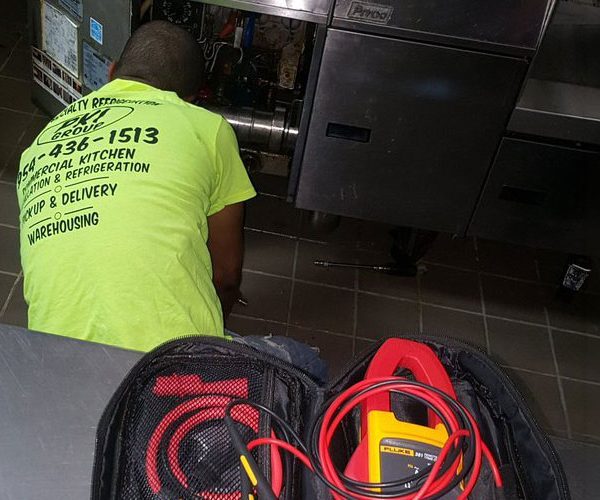
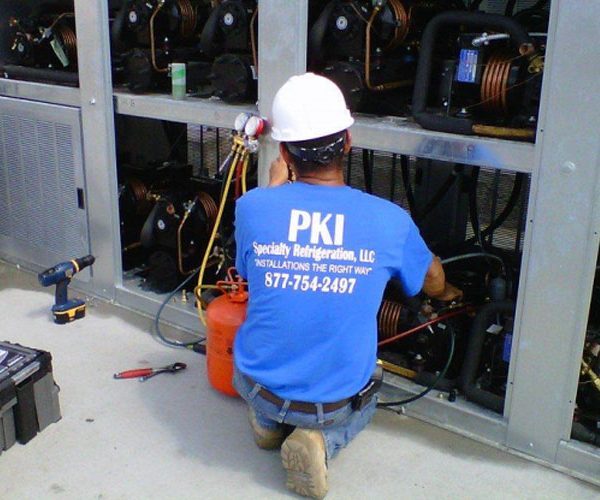
While routine cleaning and inspections can be performed by staff, many refrigeration issues require trained technicians. Refrigerant handling, compressor diagnostics, and electrical system repairs should always be performed by experienced professionals.
Professional technicians have the tools and knowledge to properly diagnose system problems, perform safe repairs, and restore equipment to optimal operating conditions. Attempting complex repairs without proper training can lead to additional damage or safety risks.
How The PKI Group supports commercial refrigeration reliability
The PKI Group specializes in professional refrigeration services designed to keep commercial kitchens and foodservice operations running efficiently. Their team understands the demands placed on commercial coolers and freezers and provides reliable maintenance and repair solutions tailored to the needs of restaurants, hospitality venues, and foodservice facilities.
Through preventative maintenance programs, diagnostics, and responsive service, The PKI Group helps businesses minimize downtime and extend the lifespan of their refrigeration systems. By addressing issues early and maintaining equipment performance, their team supports safe food storage, operational efficiency, and long-term equipment reliability. Call 954-530-3757
Frequently Asked Questions
How often should commercial refrigeration systems be serviced?
Most commercial refrigeration systems should be inspected and serviced at least twice per year, although high-volume kitchens may benefit from more frequent maintenance.
What causes commercial refrigerators to stop cooling properly?
Common causes include dirty condenser coils, refrigerant leaks, airflow restrictions, faulty thermostats, or worn compressors.
Can regular maintenance reduce refrigeration energy costs?
Yes. Clean coils, proper airflow, and well-maintained components allow systems to operate more efficiently, which can lower electricity usage.
How long should commercial refrigeration equipment last?
With proper maintenance and timely repairs, many commercial refrigeration units can operate effectively for 10 to 15 years or longer.