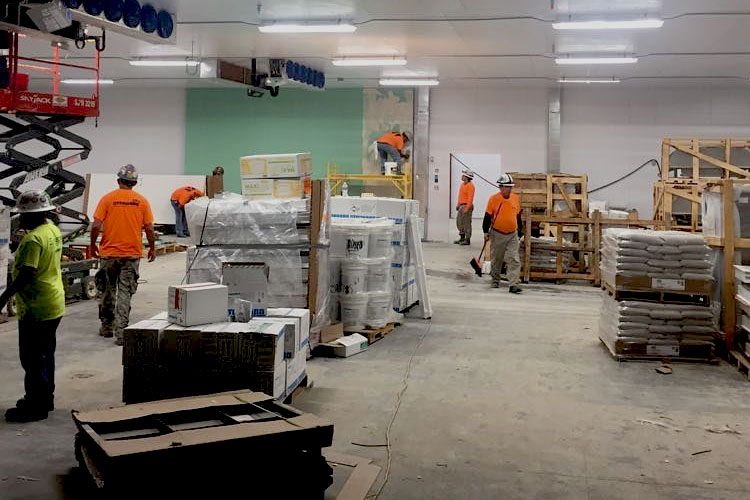
When building or upgrading a restaurant, foodservice facility, or commercial kitchen, many owners assume that hiring a general contractor is enough to manage the entire project. While general contractors are essential for structural work and overall construction coordination, installing commercial kitchen equipment requires a very different level of expertise. This is where a commercial kitchen installer becomes critical.
A commercial kitchen is one of the most technically complex environments in a building. It includes gas lines, ventilation systems, refrigeration units, cooking equipment, drainage systems, fire suppression, and strict health code requirements. Without specialized installation knowledge, even small mistakes can lead to operational inefficiencies, compliance issues, or costly repairs.
Understanding the difference between a general contractor and a commercial kitchen installer can help foodservice businesses protect their investment and ensure their kitchen operates safely and efficiently from day one.
The role of a general contractor in construction projects
A general contractor oversees the structural and logistical aspects of a construction project. Their responsibilities typically include coordinating subcontractors, managing timelines, and ensuring the building meets architectural plans and building codes. They handle areas such as framing, electrical infrastructure, plumbing systems, flooring, and overall project management.
General contractors are extremely valuable during construction, but their expertise typically focuses on the building itself rather than the specialized systems inside a professional kitchen. When the project reaches the stage where cooking equipment, refrigeration systems, and foodservice infrastructure must be installed, a specialized professional becomes necessary.
That professional is the commercial kitchen installer.
What a commercial kitchen installer actually does
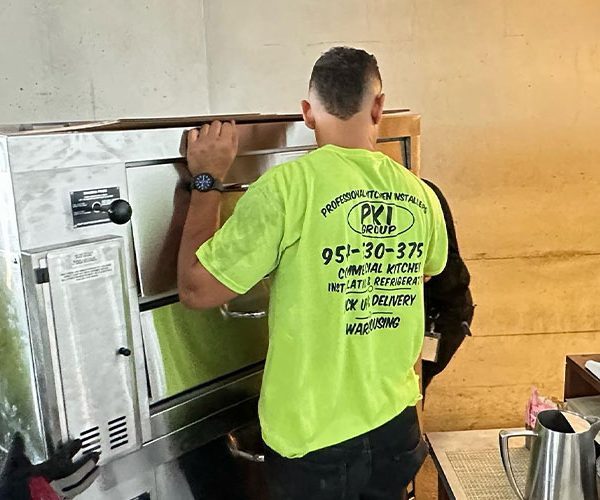
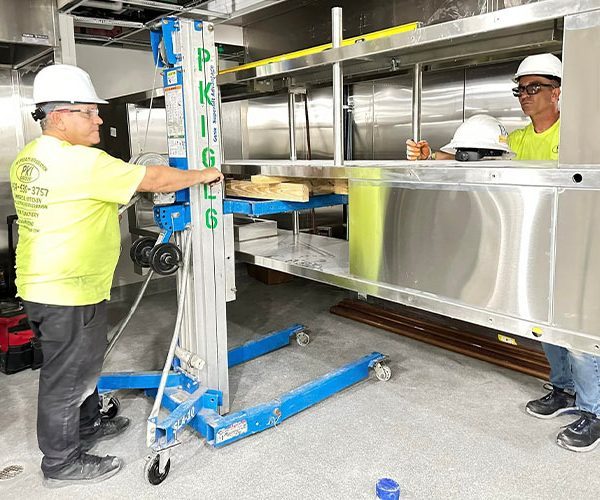
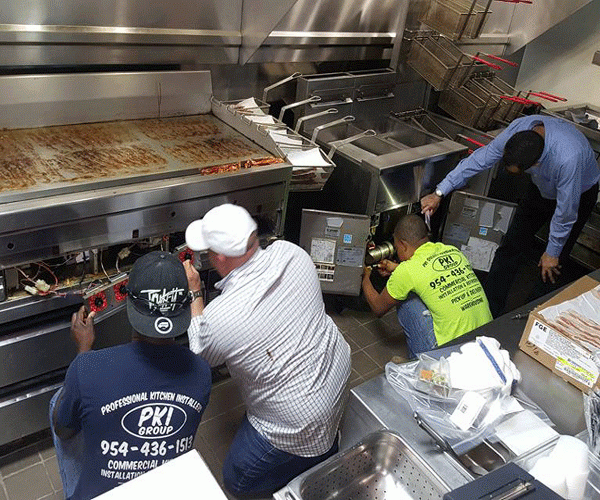
A commercial kitchen installer focuses specifically on installing, configuring, and integrating professional foodservice equipment within a commercial environment. Their work goes beyond placing appliances in position. It involves understanding the operational workflow of a kitchen and ensuring every system functions safely and efficiently.
Key responsibilities of a commercial kitchen installer often include:
- Installation of commercial ovens, fryers, grills, and other cooking equipment
- Placement and connection of refrigeration units and cold storage systems
- Integration with ventilation hoods and fire suppression systems
Because foodservice environments must comply with health, fire, and safety regulations, installers must also understand local codes and operational standards. Proper equipment placement and system integration directly impact both compliance and performance.
Why specialized installation is essential for commercial kitchens
Commercial kitchens operate under intense conditions. Equipment runs for long hours, high temperatures are constant, and workflow efficiency directly affects productivity and profitability. If equipment is improperly installed, the entire kitchen can suffer from bottlenecks, safety risks, or operational downtime.
A qualified commercial kitchen installer understands the layout requirements that keep kitchens running smoothly. For example, proper spacing between cooking stations improves safety and workflow, while correct ventilation integration prevents overheating and maintains air quality.
Specialized installation also reduces the likelihood of costly problems after opening. Equipment that is misaligned with gas, electrical, or ventilation systems can lead to repeated service calls, downtime, or even regulatory violations.
The hidden risks of relying only on general contractors
While general contractors are experienced construction professionals, they typically rely on specialized subcontractors for technical installations. If a kitchen project moves forward without a dedicated commercial kitchen installer, several risks can arise.
- Improper equipment placement that disrupts kitchen workflow
- Ventilation and hood systems that do not align correctly with cooking equipment
- Gas or electrical connections that require costly rework
These issues often appear after the restaurant opens, when equipment is being used heavily and problems become impossible to ignore. At that stage, repairs can disrupt operations and impact revenue.
Using a commercial kitchen installer from the beginning helps prevent these issues and ensures equipment functions exactly as intended.
Efficiency and workflow optimization
One of the biggest advantages of working with a commercial kitchen installer is their understanding of kitchen workflow. Professional kitchens rely on carefully planned layouts that support speed, safety, and coordination between staff members.
An experienced installer evaluates how chefs, prep staff, and service teams move throughout the kitchen. They ensure equipment placement supports efficient food preparation and minimizes unnecessary movement.
This operational perspective is something that general construction teams typically do not specialize in. For restaurant owners, that difference can have a direct impact on daily productivity.
Compliance with safety and health regulations
Commercial kitchens must meet strict requirements related to fire safety, sanitation, ventilation, and equipment clearances. Local authorities and inspectors expect installations to meet specific standards before a facility can open.
A professional commercial kitchen installer understands these requirements and ensures that installations meet code compliance. This includes proper hood alignment, fire suppression integration, and safe spacing between appliances.
Meeting these standards during installation helps avoid delays during inspections and protects the long-term operation of the kitchen.
Long-term equipment performance
Proper installation directly affects the lifespan of commercial kitchen equipment. Even high-quality appliances can fail prematurely if they are installed incorrectly or connected to incompatible systems.
A commercial kitchen installer ensures that equipment operates within the manufacturer’s specifications. Correct installation reduces wear and tear, improves energy efficiency, and extends the usable life of expensive kitchen systems.
For restaurants and foodservice operations, this translates into fewer repairs and lower maintenance costs over time.
Why foodservice businesses rely on specialized installers
Restaurant owners, hotels, hospitals, and institutional kitchens all depend on reliable foodservice infrastructure. Hiring a commercial kitchen installer ensures that the most critical systems inside the kitchen are handled by professionals who specialize in foodservice environments.
This level of expertise supports a smoother opening process, safer operations, and better performance across the entire kitchen.
How The PKI Group supports commercial kitchen installation
The PKI Group provides professional commercial kitchen installation services designed specifically for foodservice environments. Their team understands the technical requirements of installing cooking equipment, refrigeration systems, ventilation components, and other essential infrastructure.
By working with a specialized commercial kitchen installer, The PKI Group helps restaurants, hospitality businesses, and institutional kitchens ensure their equipment is installed safely, efficiently, and in full compliance with industry standards. Their expertise helps clients avoid costly installation mistakes while creating kitchens designed for long-term performance. Call 954-530-3757
Frequently Asked Questions
What is the difference between a commercial kitchen installer and a general contractor?
A general contractor manages the construction project as a whole, while a commercial kitchen installer specializes in installing and integrating professional kitchen equipment and systems.
Why is specialized installation important for commercial kitchen equipment?
Specialized installation ensures equipment operates safely, meets health and fire codes, and supports efficient kitchen workflow.
Can a general contractor install commercial kitchen equipment?
Some contractors may attempt installation, but commercial kitchen installers have the technical expertise needed for proper integration with ventilation, gas, and electrical systems.
When should a commercial kitchen installer be involved in a project?
Ideally, a commercial kitchen installer should be involved during the planning and layout stage to ensure equipment placement and system integration are designed correctly from the beginning.